
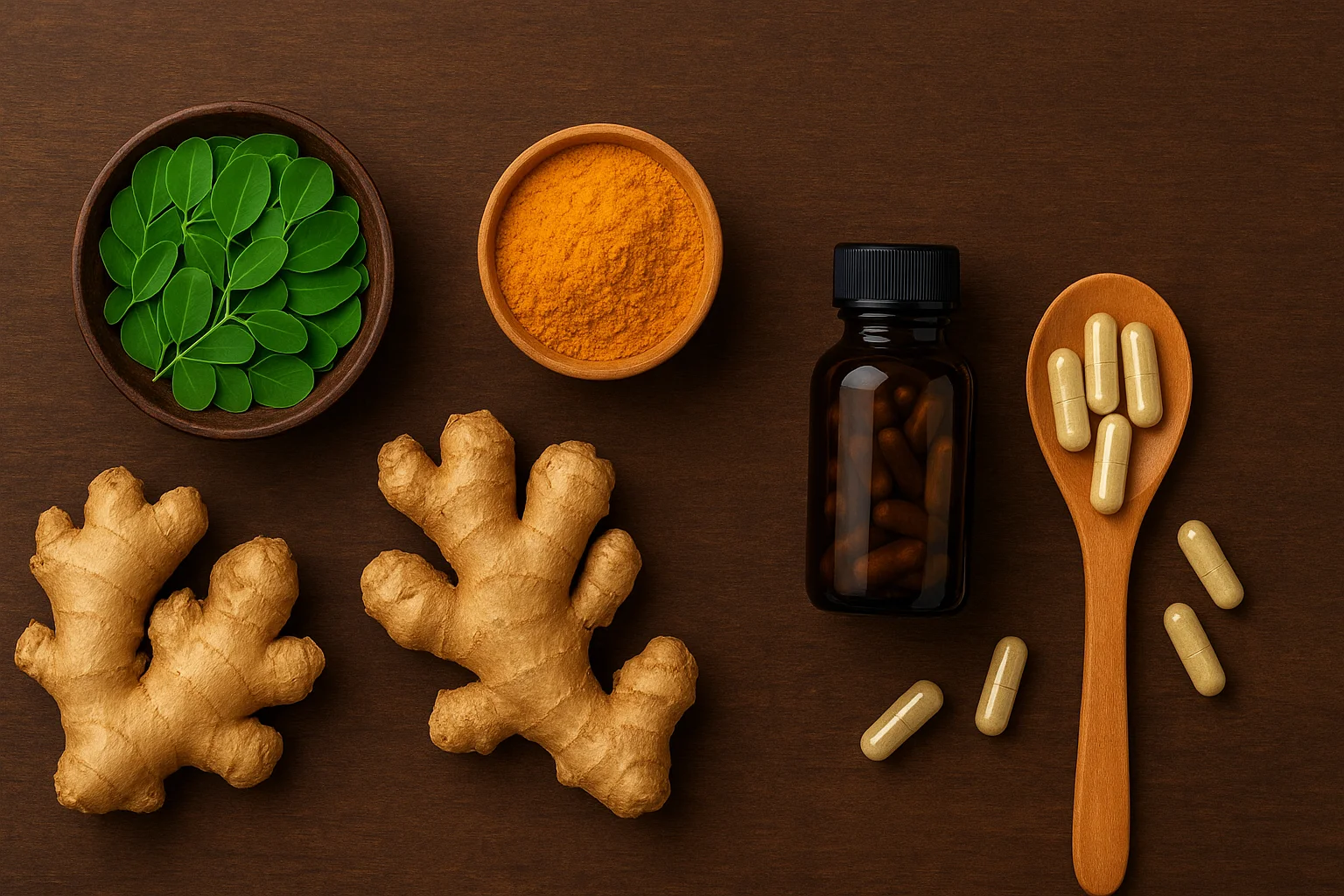
Which Is Best for Boosting Your Health?
Local natural foods vs supplements is a question many Nigerians are asking as they rethink their approach to health. While supplements are often marketed as quick fixes, everyday local foods like moringa, tiger nuts, and baobab fruit provide essential nutrients naturally and sustainably.
Unlike supplements, these foods come with additional benefits such as fiber, antioxidants, and other phytonutrients that support overall well-being. In this article, we explore the differences between local natural foods and supplements, helping you make informed choices about which option truly boosts your health and why a “food-first” approach may be the smarter, long-term strategy.
Table of Contents
What Are Local Natural Foods?
Local natural foods are unprocessed, nutrient-rich foods cultivated within Nigeria’s diverse farmlands. They are packed with essential vitamins, minerals, antioxidants, and fiber—delivered in their most natural and easily absorbable form. Unlike dietary supplements, which isolate specific nutrients, local natural foods provide synergistic nutrition—a combination of compounds that work together to enhance absorption, effectiveness, and overall well-being.
Incorporating these foods into daily meals supports digestion, strengthens immunity, improves energy, and helps prevent chronic conditions such as hypertension, diabetes, and inflammation-related diseases. They also connect people to cultural roots and sustainable local agriculture.
Examples of local natural foods in Nigeria include:
- Moringa (Drumstick Tree): A rich source of iron, calcium, and vitamin C that supports energy and overall nutrition.
- Ginger and Turmeric: Known for anti-inflammatory and immune-boosting properties.
- Tiger Nuts (Ofio): High in fiber and magnesium for digestive and heart health.
- Baobab Fruit: Loaded with vitamin C and antioxidants for immune support.
- Bitter Leaf (Vernonia amygdalina): A natural liver cleanser and detoxifier.
These foods are affordable, widely available, and deeply rooted in Nigeria’s culinary traditions.
📖 Reference: Guardian Nigeria – Ending Malnutrition with Moringa
What Exactly Are Dietary Supplements?
Local natural foods vs supplements often raises the question of when supplements are truly useful. Dietary supplements are concentrated sources of nutrients—such as vitamins, minerals, herbs, or amino acids—manufactured in capsules, tablets, or powders, and they can be beneficial in specific situations where natural foods alone may not meet nutritional needs.
They are useful for:
- Correcting deficiencies (e.g., iron, vitamin D, or B12).
- Supporting special health conditions (pregnancy, recovery, aging).
- Helping restricted diets (vegans or people with limited access to fresh foods).
However, studies show that supplements should not replace a balanced diet but complement it.
📖 Reference: World Health Organization – Micronutrient Deficiencies
Local Natural Foods vs Supplements: Key Differences
| Factor | Local Natural Foods | Supplements |
|---|---|---|
| Nutrient Source | Natural, complete food matrix | Isolated, synthetic, or extracted nutrients |
| Absorption (Bioavailability) | Enhanced through enzymes & fibre | Variable; depends on formulation |
| Health Benefit | Broad, long-term wellness | Specific, targeted correction |
| Accessibility in Nigeria | Affordable, locally available | Often imported, costlier |
| Cultural Relevance | Rooted in Nigerian diet | Viewed as modern or foreign concept |
Local natural foods nourish the whole body, while supplements mainly fill short-term nutritional gaps.
Which Nigerian Foods Can Replace Supplements?
While dietary supplements can help fill nutritional gaps, many local Nigerian foods naturally offer equal or even greater health benefits. These foods are rich in vitamins, minerals, and antioxidants — all in their most natural, absorbable form. Below are ten of Nigeria’s best-known examples where food meets function:
1. Moringa (Drumstick Tree)
Moringa leaves are rich in over 90 nutrients, including calcium, potassium, iron, and vitamin C. Regular consumption supports energy, immune function, and bone health — making it a perfect natural substitute for synthetic multivitamins.
📖 Reference: NIH – Moringa Oleifera: A Review of the Medical Evidence
2. Ginger and Turmeric
Both ginger and turmeric contain potent bioactive compounds — gingerol and curcumin — that reduce inflammation, ease pain, and strengthen immunity. They can naturally replace anti-inflammatory and immune-boosting supplements.
📖 Reference: Healthline – 11 Proven Health Benefits of Ginger
📖 Reference: NIH – Curcumin and Inflammatory Diseases
3. Tiger Nuts (Ofio) – Energy and Digestive Support
Tiger nuts are high in fiber, magnesium, and healthy fats that promote digestion, regulate blood sugar, and provide sustained energy. They serve as natural alternatives to energy and digestive enzyme supplements.
📖 Reference: Medical News Today – Tiger Nuts Health Benefits
4. Baobab Fruit
Baobab fruit pulp is one of the richest natural sources of vitamin C and antioxidants. It boosts immunity, supports collagen formation, and promotes healthy skin — similar to vitamin C supplements.
📖 Reference: BBC Good Food – Baobab Health Benefits
5. Bitter Leaf (Vernonia amygdalina)
Traditionally used in soups and tonics, bitter leaf supports liver detoxification, purifies the blood, and aids digestion. It acts as a natural detox supplement and mild immune booster.
📖 Reference: NCBI – Health Benefits of Bitter Leaf
6. Jute Leaf (Ewedu / Corchorus olitorius)
Ewedu is rich in vitamins A, C, and E, helping to strengthen the immune system and support healthy skin and digestion. It’s a natural alternative to green superfood powders and antioxidant supplements.
📖 Reference: ScienceDirect – Nutritional Composition of Corchorus olitorius
7. Lagos Spinach (Celosia argentea)
Lagos spinach provides essential micronutrients such as iron, calcium, and vitamin E. Regular consumption supports blood formation, immunity, and overall vitality — comparable to multivitamin and mineral supplements.
📖 Reference: ResearchGate – Nutrient Composition of Celosia argentea
8. Egusi (Melon Seeds)
Egusi seeds are high in protein, omega fatty acids, and essential minerals. They support muscle repair, brain health, and heart function, naturally replacing protein powders and omega supplements.
📖 Reference: ScienceDirect – Nutritional Value of Melon Seeds
9. Groundnuts (Peanuts)
Groundnuts are rich in protein, niacin, and healthy fats. They provide long-lasting energy and help maintain heart health — similar to protein and energy-boosting supplements.
📖 Reference: Harvard School of Public Health – The Nutrition Source: Peanuts
10. Cornmeal (Maize)
Cornmeal is a staple Nigerian food providing carbohydrates, fiber, and essential nutrients that support digestive and metabolic health. It can naturally replace fiber and energy supplements in a balanced diet.
📖 Reference: PubMed – Nutritional Profile of Maize and Its Health Benefits
Local Nigerian foods such as moringa, ginger, baobab, and tiger nuts provide complete nutrition in their most natural form. They deliver vitamins, minerals, and antioxidants without additives or processing — making them affordable, effective, and sustainable alternatives to dietary supplements.
When Are Supplements Necessary?
Even though Local Natural Foods vs Supplements shows that whole foods can provide most essential nutrients, there are still cases where supplements remain necessary.
Supplements become important in specific health conditions or life stages, including:
- Diagnosed nutrient deficiencies confirmed by laboratory tests (e.g., iron, vitamin D, or B12 deficiency).
- Pregnant or breastfeeding women who need additional folic acid, calcium, and iron for maternal and infant health.
- Older adults, particularly those with limited sun exposure or poor nutrient absorption, who may benefit from vitamin D and B12.
- Individuals with restricted diets or medical conditions such as malabsorption, chronic illness, or digestive disorders.
These situations highlight that while local foods provide a strong nutritional foundation, supplements can fill essential gaps when guided by medical advice.
Always consult a licensed healthcare professional before starting any supplement—especially if you take medication or have an existing condition.
📖 Reference: Harvard School of Public Health – The Case for Food First
How Can You Combine Natural Foods and Supplements Safely?
Understanding Local Natural Foods vs Supplements isn’t about choosing one over the other—it’s about balance. Both can work together safely when used wisely.
To maintain a healthy approach:
- Start with food first. Build your nutrition foundation on real, local natural foods before considering supplements.
- Fill only verified gaps. Use supplements only for confirmed deficiencies or medical advice.
- Space doses properly. Avoid taking certain nutrients together (e.g., iron and calcium) as they can interfere with absorption.
- Prioritize quality. Choose trusted, certified supplement brands and clean, fresh local produce.
- Stay consistent. True results come from steady habits—balanced meals, regular exercise, and responsible supplementation.
Example Daily Routine:
- Morning: Smoothie with moringa and baobab powder.
- Lunch: Rice with vegetables and bitter leaf soup.
- Evening: Ginger and turmeric tea; take a multivitamin only if recommended by a healthcare professional.
This combined approach ensures your body benefits from the best of both worlds—nutrient-rich local foods and evidence-based supplementation when necessary.
Local Natural Foods vs Supplements: Which Is Better?
When it comes to long-term wellness, local natural foods are the stronger foundation. They provide complete, balanced nutrition at a lower cost and work in harmony with the body’s natural systems.
Supplements, on the other hand, serve as support—useful when diet alone cannot meet specific needs due to deficiencies, medical conditions, or increased nutrient demand.
Bottom line:
“Eat food. Not too much. Mostly natural.” — Michael Pollan, Food Expert
Focus on local natural foods first to build lasting health. Use supplements only as a strategic backup—never as a replacement for real, nutrient-rich food.
Frequently Asked Questions (FAQ)
Can local natural foods really replace supplements completely?
Not entirely. For general wellness and minor nutrient support, local natural foods can often replace supplements. But for medically confirmed deficiencies or special conditions like pregnancy, supplements are still essential.
What’s the most powerful Nigerian natural food for general health?
Moringa is one of the best. It’s nutrient-dense, rich in antioxidants, and supports immunity, energy, and overall wellness—making it a strong alternative in the Local Natural Foods vs Supplements debate.
Are supplements harmful if overused?
Yes. Unsupervised or excessive use—especially of fat-soluble vitamins (A, D, E, and K)—can lead to toxicity or organ strain.
How can I know if I truly need supplements?
Have a blood test or professional nutritional assessment done first. This helps confirm deficiencies before you add supplements to your diet.
Can I take local foods like moringa with supplements?
Yes, in moderation. You can safely combine both—such as taking moringa tea in the morning and a multivitamin with lunch—but always consult your healthcare provider for personalized guidance.
Which is better for weight loss — local natural foods or supplements?
Local natural foods. They contain fiber, antioxidants, and natural enzymes that support digestion, metabolism, and satiety—helping you manage weight sustainably. Supplements may assist, but food-based nutrition works better long-term.
Are imported supplements better than Nigerian natural foods?
Not necessarily. Many imported supplements are made from the same plant nutrients already available in Nigerian foods like moringa, baobab, and ginger. Local natural foods are fresher, more affordable, and often more bioavailable.