Ashwagandha in Nigeria is sold as capsules, tablets, gummies, root powder and coffee blends. For most adults, a standardised root extract such as KSM-66, at 300 to 600 mg a day, is the simplest choice to support everyday stress resilience, a calm mood and restful sleep. Here is how to choose, use and check it safely.
What Is Ashwagandha?
Ashwagandha (Withania somnifera) is a herb from traditional Ayurvedic practice. Its root contains natural compounds called withanolides. It is known as an adaptogen, a plant used to help the body cope with everyday stress. Most modern products use the root, either as a concentrated extract or as plain dried powder.
Capsules, Powder Or Gummies: Which Form Should You Buy?
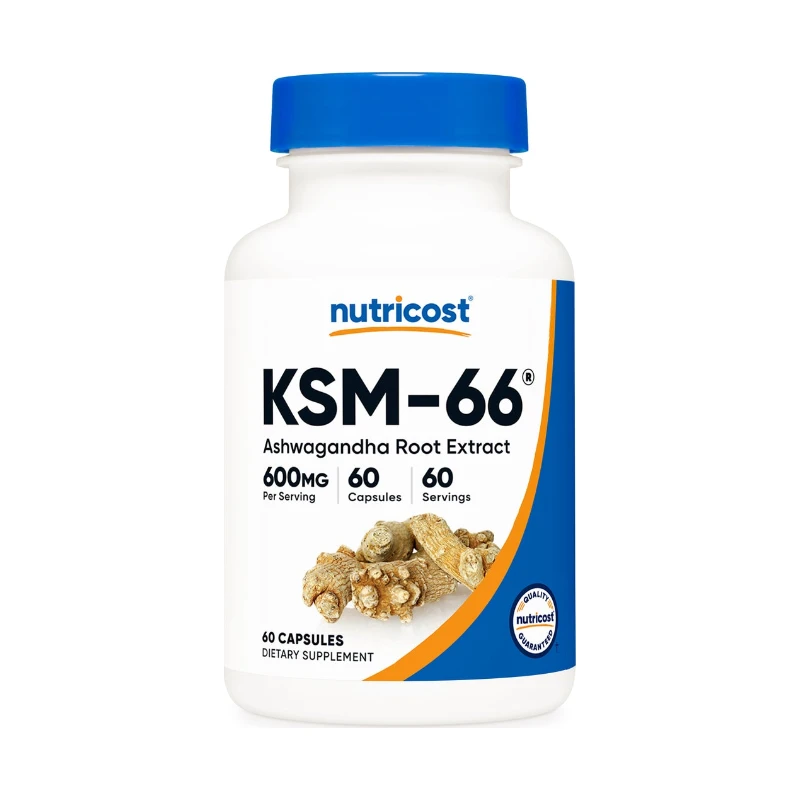
- Root extract capsules or tablets give a measured dose and are the form used in most studies. Look for a named extract (KSM-66 or Sensoril) or a stated withanolide percentage.
- Root powder is less concentrated. It suits people who like to mix it into milk, smoothies or pap, but you need more of it and the taste is earthy.
- Gummies and soft chews are easy to take but often contain sugar and a lower dose.
- Ashwagandha coffee blends are convenient, but the amount of ashwagandha per cup is often not stated.
How Much Ashwagandha Should You Take In Nigeria?
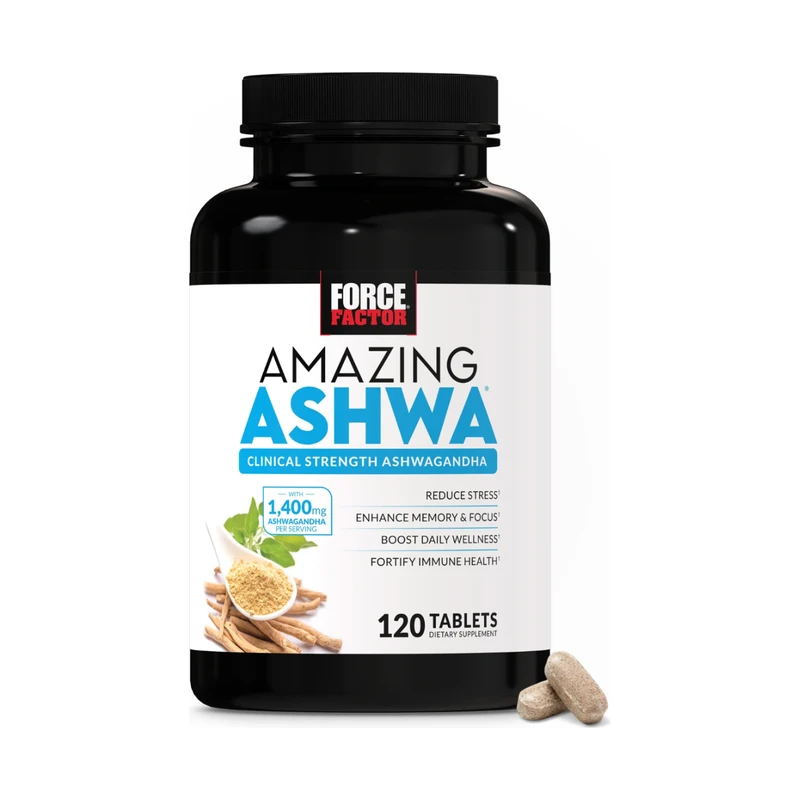
Follow the label of the ashwagandha product you buy in Nigeria. Studies on root extracts commonly used 300 to 600 mg a day, taken once or split into two doses with food. “1000 mg” or “maximum strength” on a label often refers to powder weight, not extract, so compare the extract amount, not just the big number. Start at the lower dose for the first week.
How Long Does Ashwagandha Take To Work?
Some people notice a calmer mood within two weeks, but most studies ran for six to eight weeks. Take it every day at the same time; morning for daytime stress, evening if you use it as part of a sleep routine.
How To Use Ashwagandha Powder
Ashwagandha powder is popular in Nigeria because it is easy to add to food and drinks. Most powder labels suggest about half to one teaspoon a day (roughly 1 to 3 g of root powder), but check the label of the pack you buy, because strength varies between brands.
- Stir it into warm milk, tea, a smoothie, pap or oats. A little honey or cinnamon helps with the earthy taste.
- Take it at the same time every day, with food if it upsets your stomach.
- Store the pack closed, in a cool, dry place away from direct sun, and use it before the expiry date.
Because plain root powder is much less concentrated than an extract, a teaspoon of powder is not the same as a 600 mg KSM-66 capsule. If you want a measured dose, choose capsules.
Ashwagandha, Magnesium Or L-Theanine: Which Suits You?
Ashwagandha in Nigeria is often compared with two other calming supplements. They work in different ways, so the right choice depends on what you want to support:
- Ashwagandha suits ongoing, everyday stress, taken daily for several weeks.
- Magnesium glycinate suits people who want an evening routine for relaxation and sleep, or who rarely eat leafy greens, nuts and whole grains.
- L-theanine, found naturally in tea, suits people who want to feel calm but alert during the day, and works within an hour or two.
Some products combine these ingredients. If you take more than one, check the total dose of each and speak to your pharmacist if you take any regular medicine.
Side Effects And Who Should Not Take Ashwagandha
Most healthy adults tolerate ashwagandha well at label doses, according to the NIH Office of Dietary Supplements. The most common side effects are an upset stomach, loose stools and drowsiness. Rare cases of liver problems have been reported, so stop and see a doctor if you notice yellow eyes, dark urine or unusual tiredness.
- Do not use it if you are pregnant or breastfeeding.
- Speak to your doctor first if you have a thyroid condition, an autoimmune condition, liver disease or prostate-related hormone concerns, or are due for surgery.
- Ask your doctor or pharmacist before combining it with sleeping tablets, anxiety or depression medicine, thyroid medicine, or blood pressure or blood sugar medicine.
- If low mood, panic or poor sleep lasts more than two weeks, see a doctor rather than relying on a supplement.
How To Check An Ashwagandha Product Before You Buy
- Read the extract type and amount per capsule.
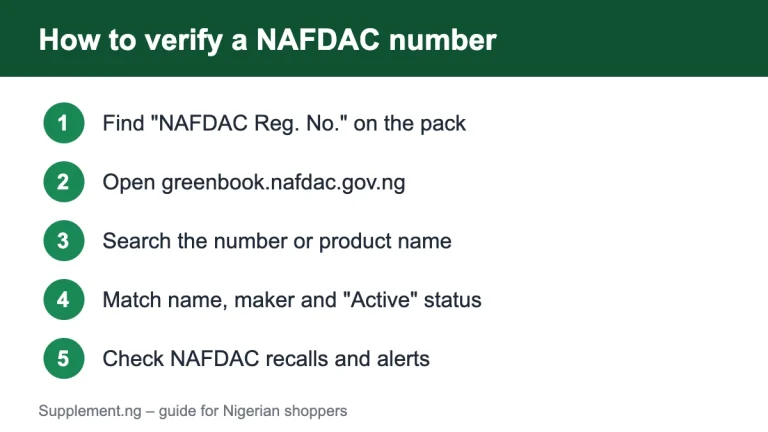
- Check the NAFDAC registration number in the Greenbook; our guide shows how to verify a NAFDAC number.
- Check the batch number, expiry date and seal.
- Avoid products that promise to end anxiety, depression or infertility. Ashwagandha supports wellbeing; it does not replace medical care.
Where To Buy Ashwagandha In Nigeria
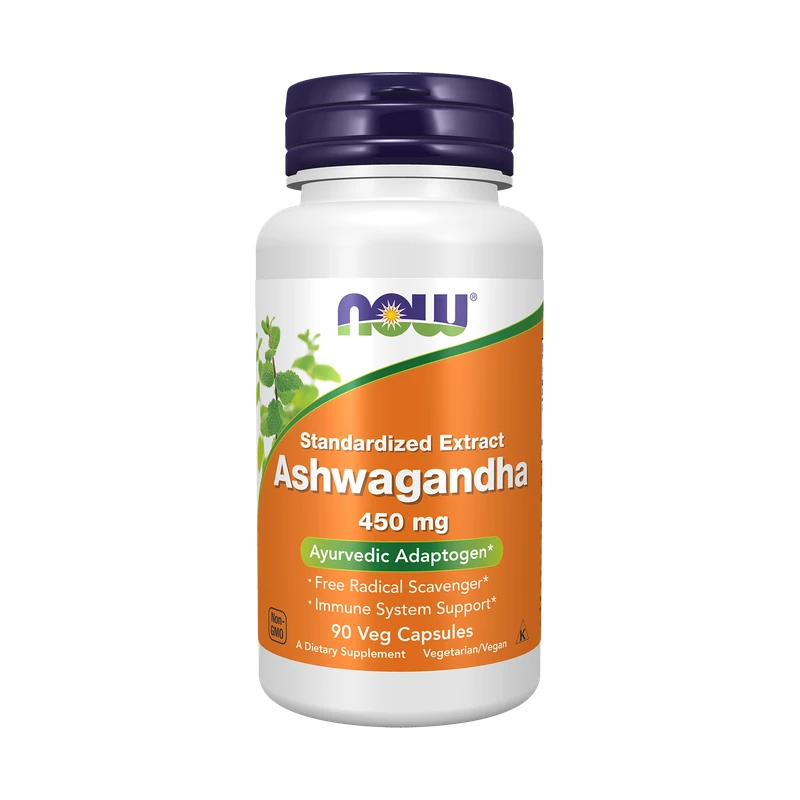
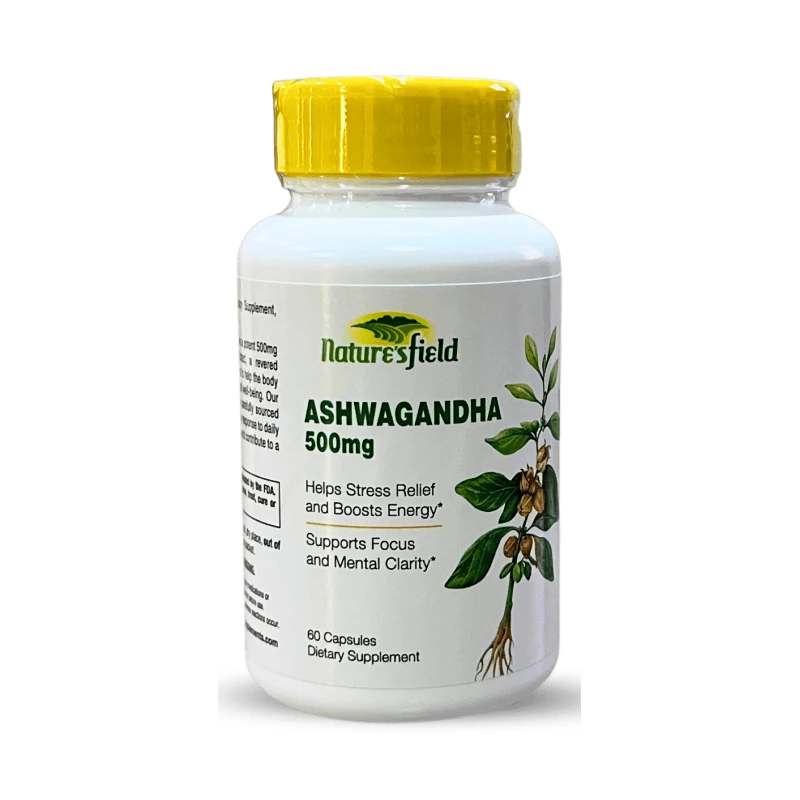
The Nigerian Supplement Store (Supplement.ng) stocks several ashwagandha products, each with its own page showing the label details:
- Nutricost KSM-66 Ashwagandha
- Force Factor Amazing Ashwa KSM-66
- NOW Foods Ashwagandha 450 mg
- Nature’s Field Ashwagandha
- Nutricost Ashwagandha Root Extract
- Youtheory Ashwagandha
- TOWG Organic Ashwagandha Root
Order online and we deliver to your door in all 36 states and the FCT. Your delivery fee shows at checkout before you place the order. For other calming options such as magnesium glycinate and L-theanine, see our Stress and Sleep Support hub.
Frequently Asked Questions
Is ashwagandha available in Nigeria?
Yes. Ashwagandha capsules, tablets, powder and gummies are sold in Nigeria. Choose a NAFDAC-registered product with the extract amount stated on the label.
Which is better, ashwagandha powder or capsules?
Capsules with a standardised root extract give a measured, stronger dose. Powder is less concentrated but easy to mix into drinks.
Can I take ashwagandha every day?
Yes, most studies used daily doses for six to twelve weeks. Some people take a short break after a few months. Follow the label and ask your doctor if you take medicine.
Does ashwagandha affect the thyroid?
It may raise thyroid hormone levels in some people. Anyone with a thyroid condition or on thyroid medicine should speak to a doctor first.
Can women take ashwagandha?
Yes, adult women can take it, except during pregnancy or breastfeeding, when it should be avoided.
Reviewed by Mrs. Nwanozzu, certified herbal consultant and nutritionist (Lagos State Traditional Medicine Board).